



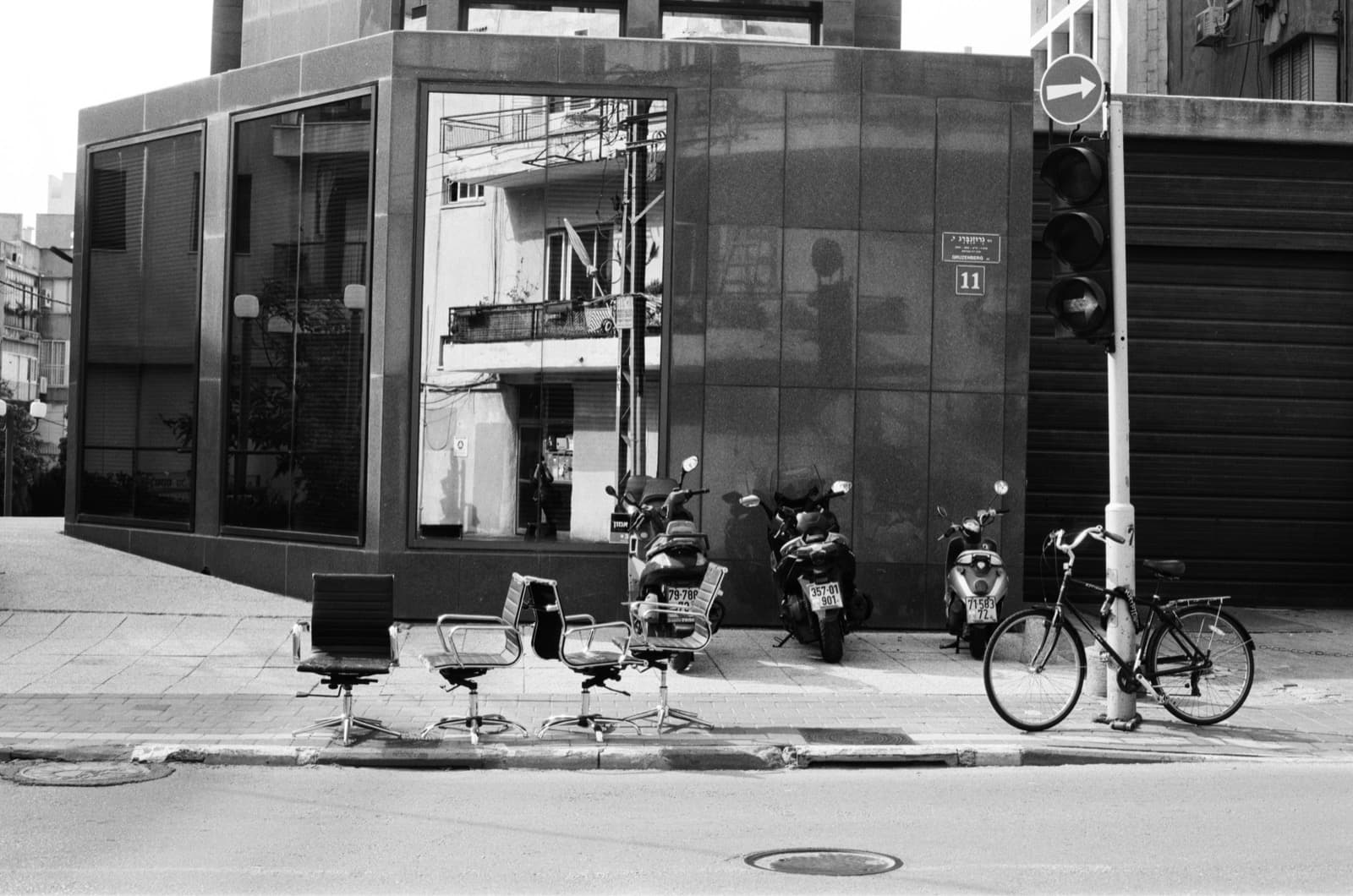
Hope This Finds You Well
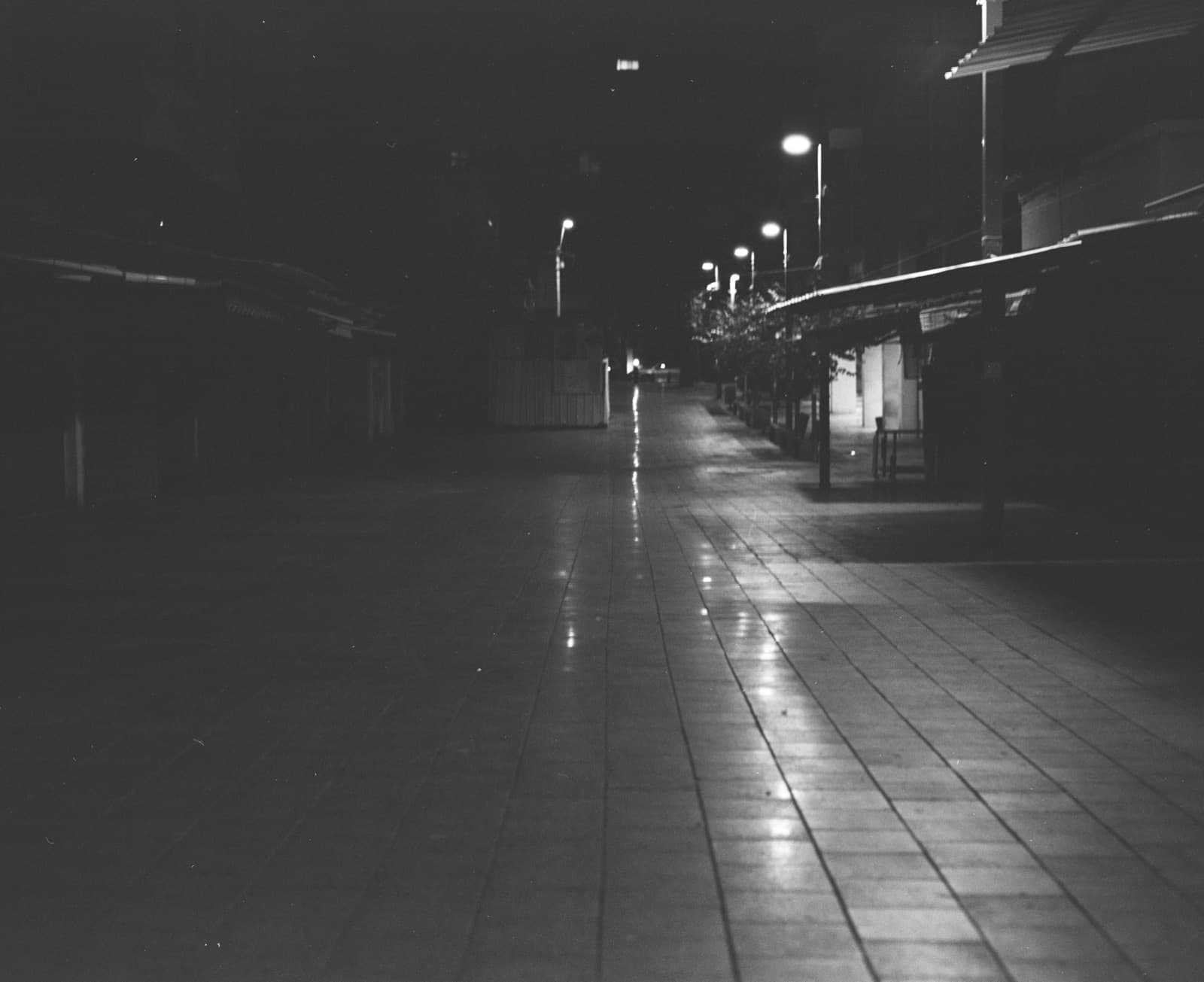
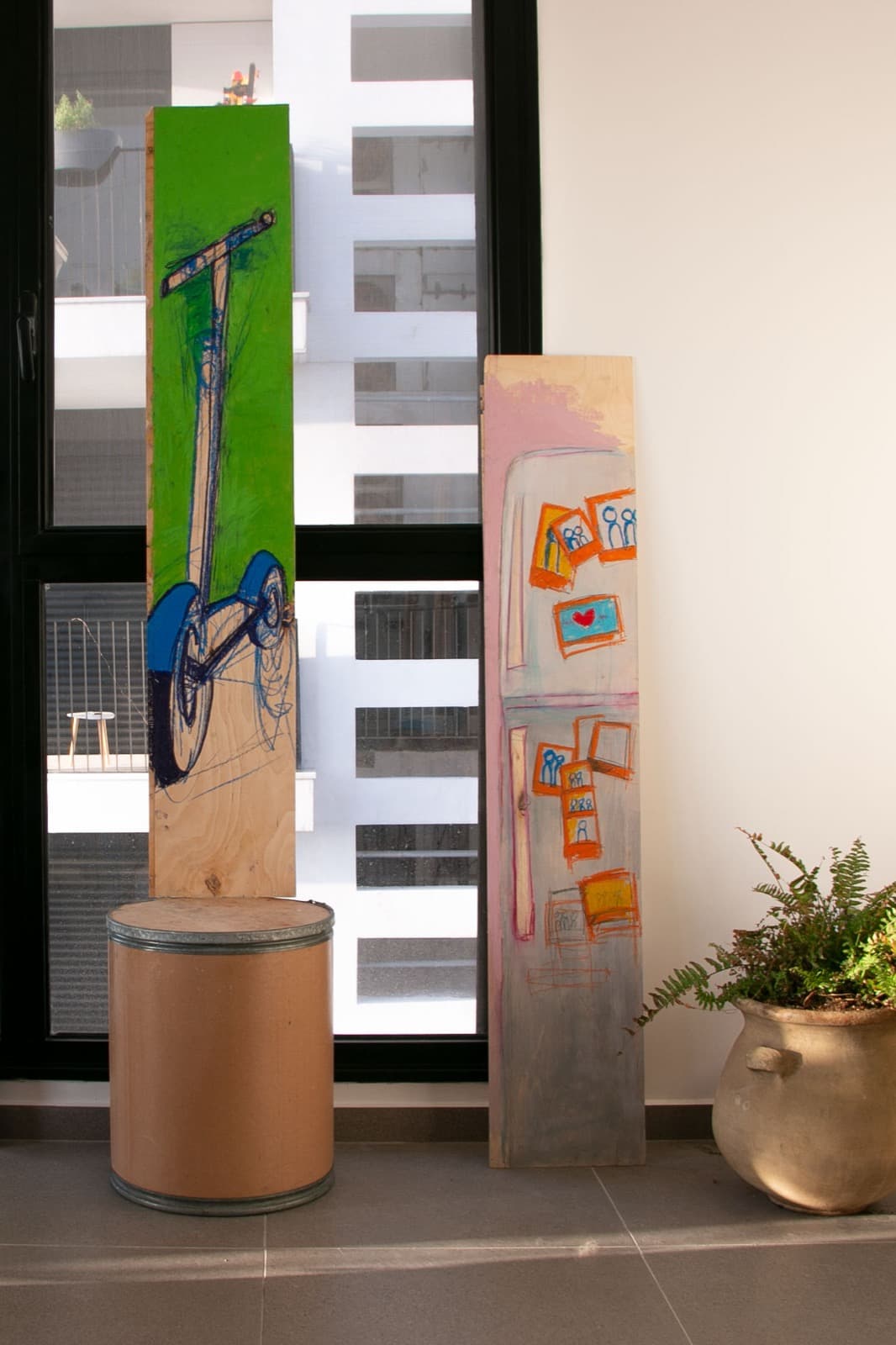
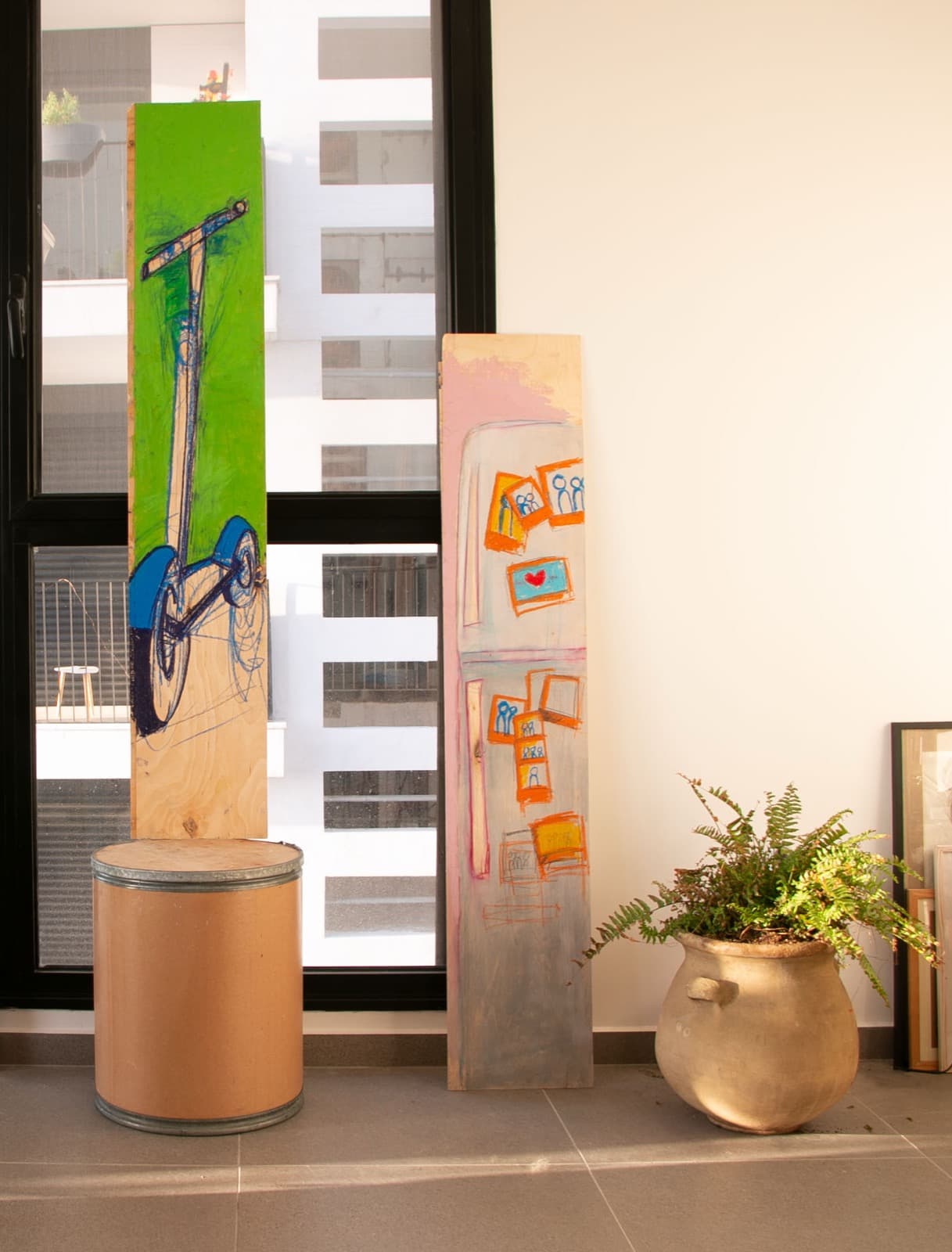
Suddenly, the city was empty. From a buzzing lively space to a ghost town, where all human interaction is a potential danger — an invisible threat looming over any mundane activity. When wandering the streets I used to observe the passersby. Without them, I found a replacement in the form of the shared electric scooters scattered throughout the city. It seemed they were jumping at the chance to make the city their own — gathering, moving, interrupting, being present — impervious to restrictions and regulations.
In the scooters I found human images, or human forms. In them, I saw my friends and myself. I attributed to them the dynamics lost to the city. Observing them, disassociated from their riders, I imagined their stories; a scooter near an office building resembles a rushing employee, a group standing in a once bustling boulevard is a night out, a parked pair in front of a doorway, nervously waiting to find out whether they will head upstairs together at the end of a shared evening. They seem to be connecting, leading vibrant social lives, but they are all the same. If I switch the dedicated employee with the eager suitor, no man will know and no scooter will object. I suddenly felt the metaphor was bilateral — maybe just as the scooters are a little human, people are a bit like scooters.
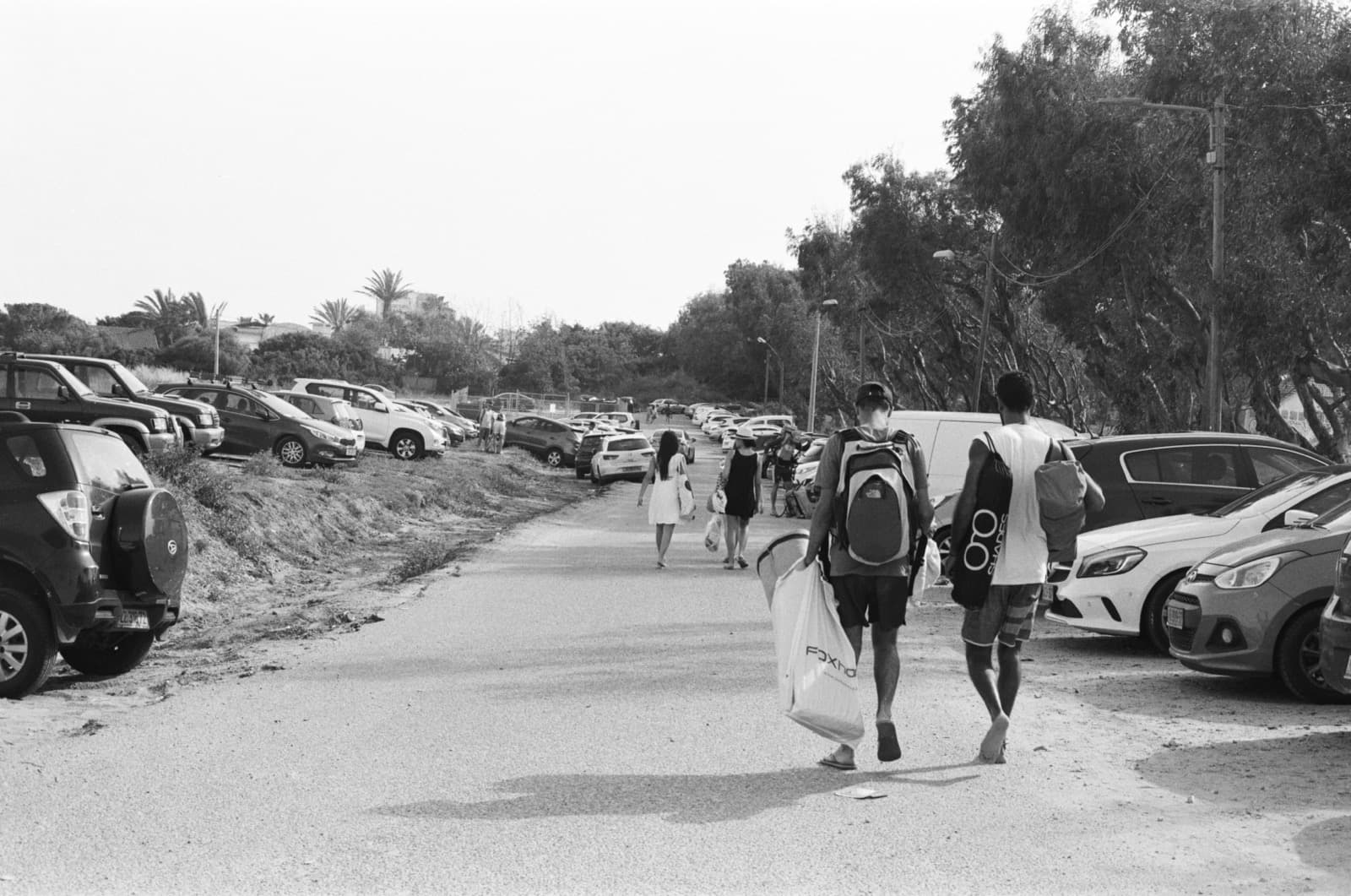
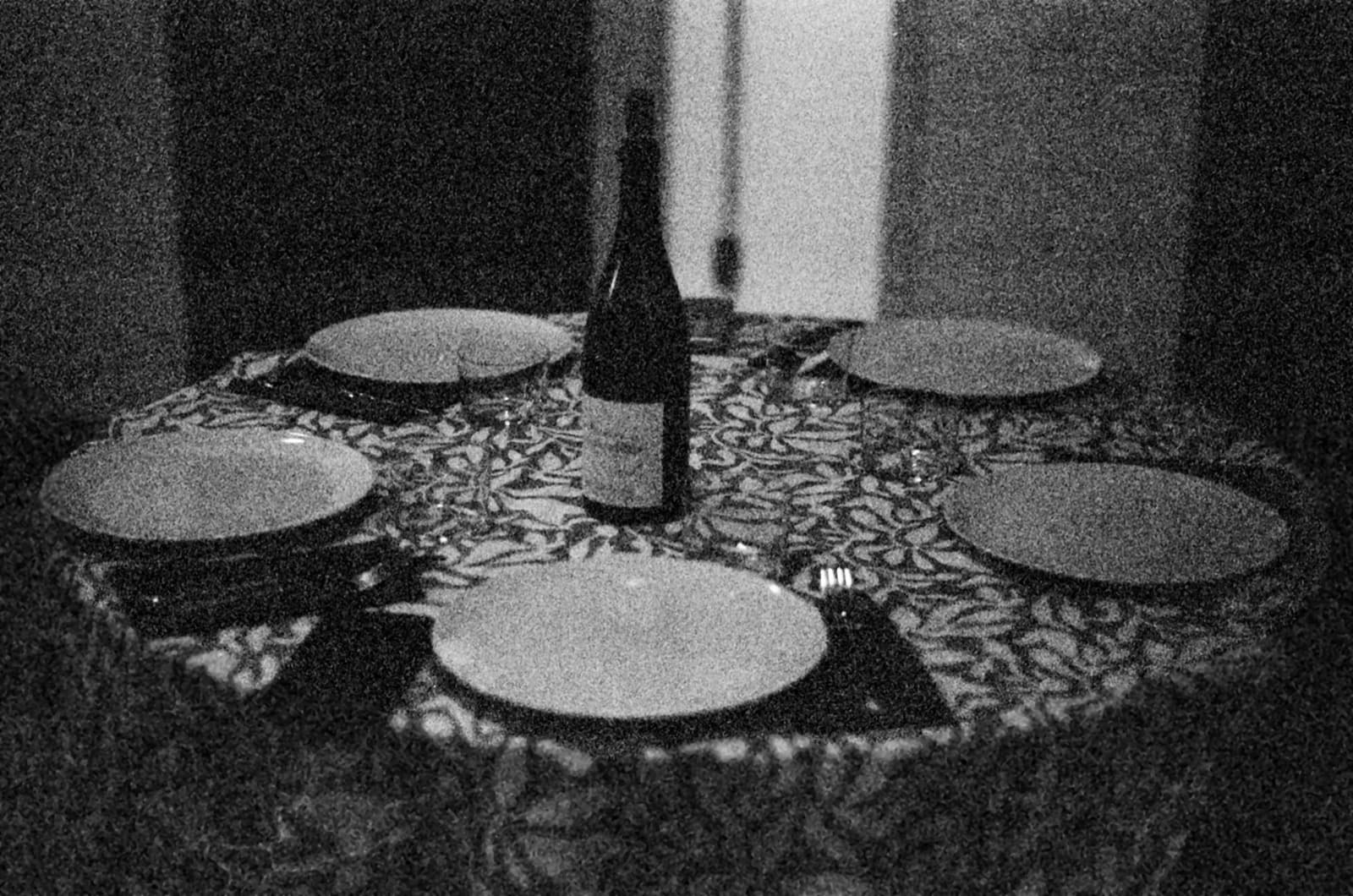
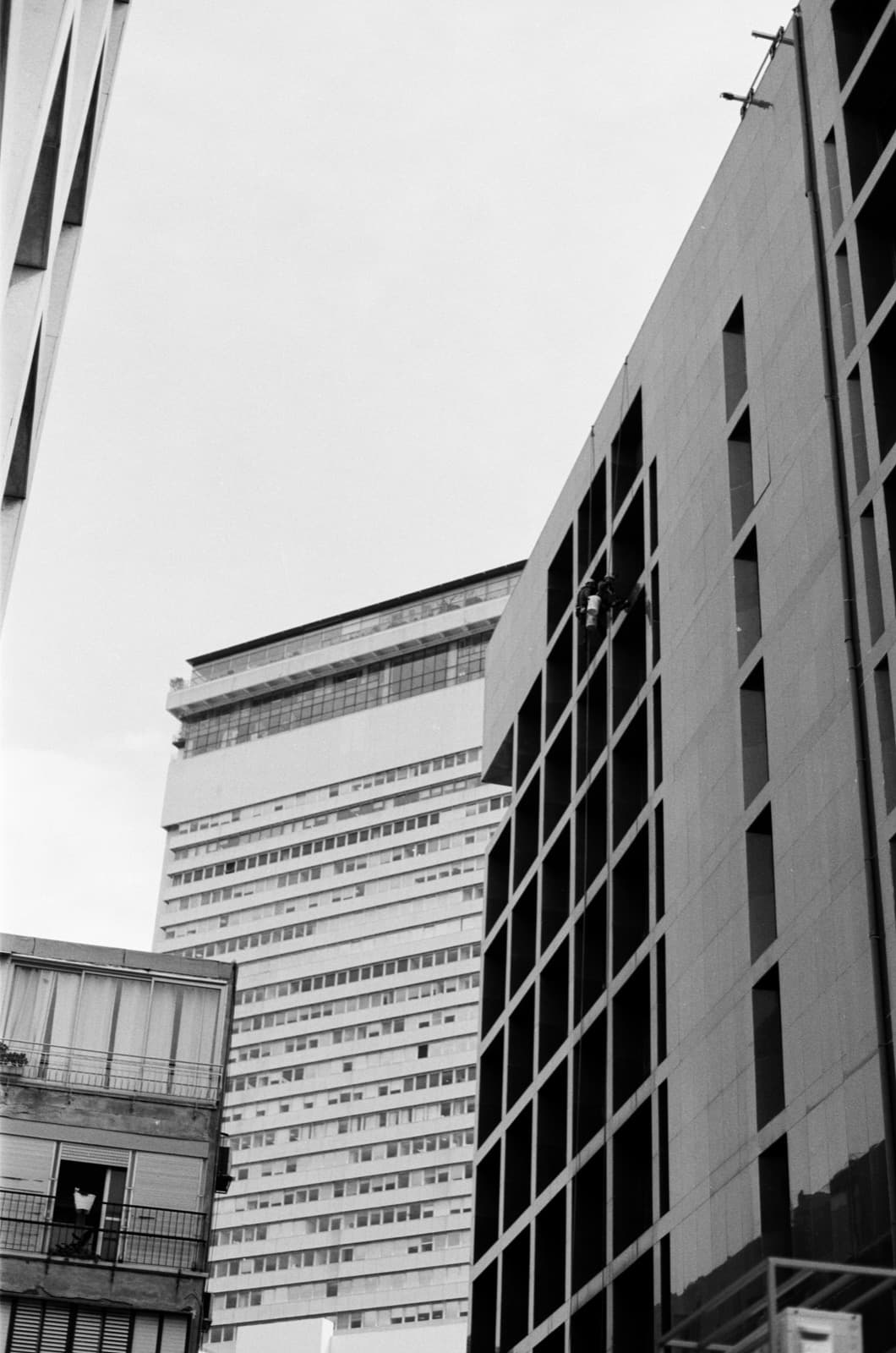
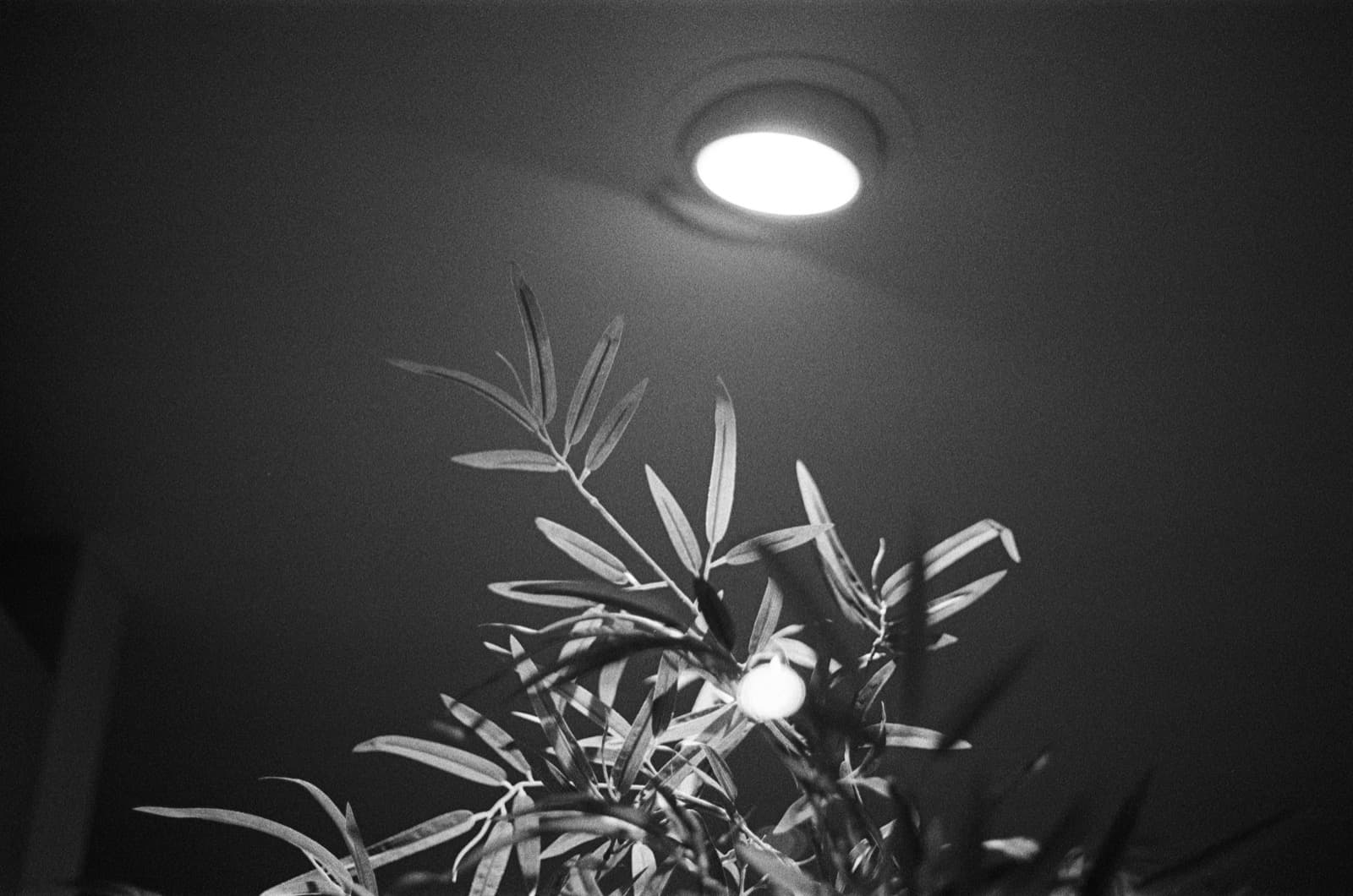
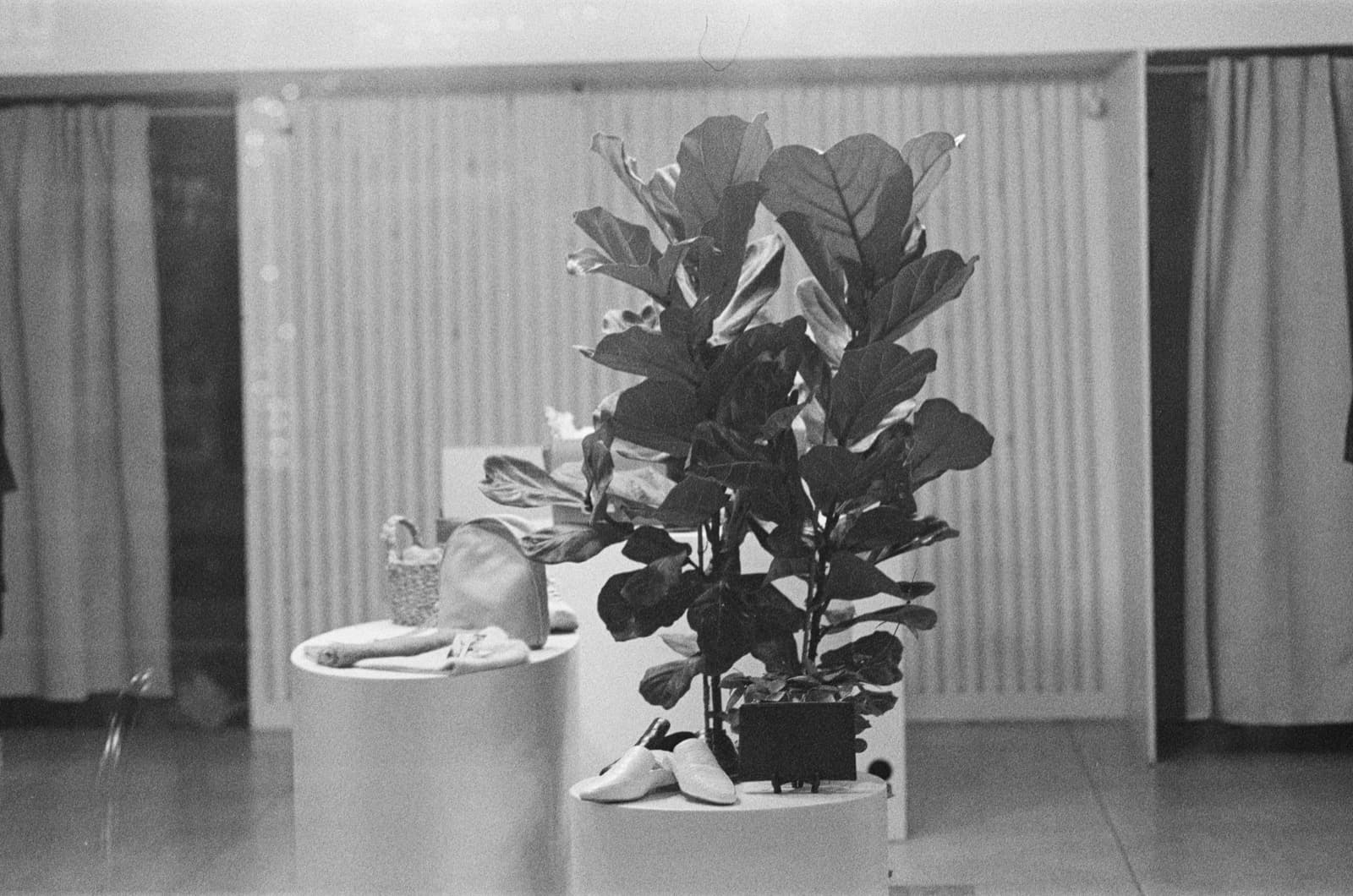
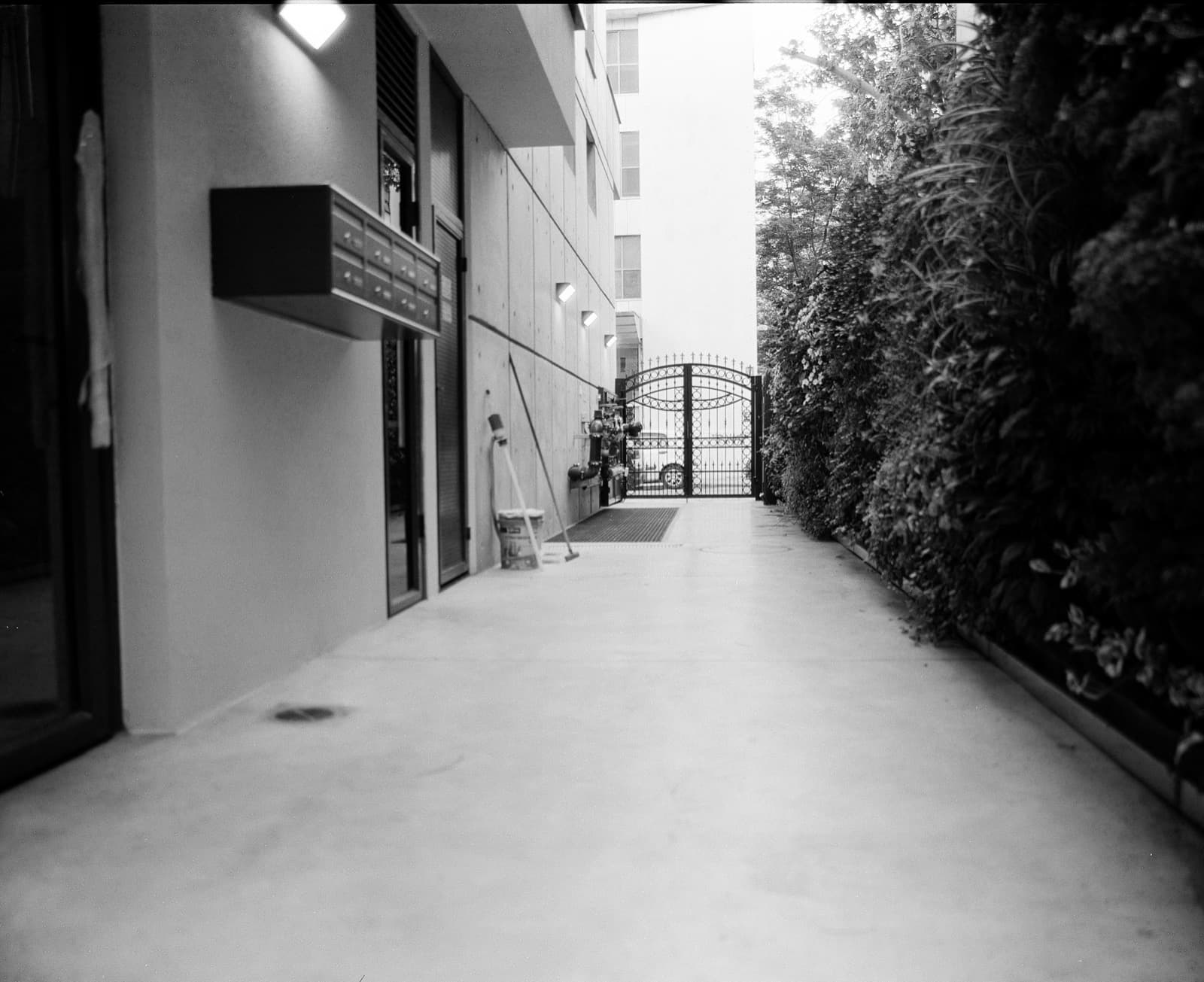
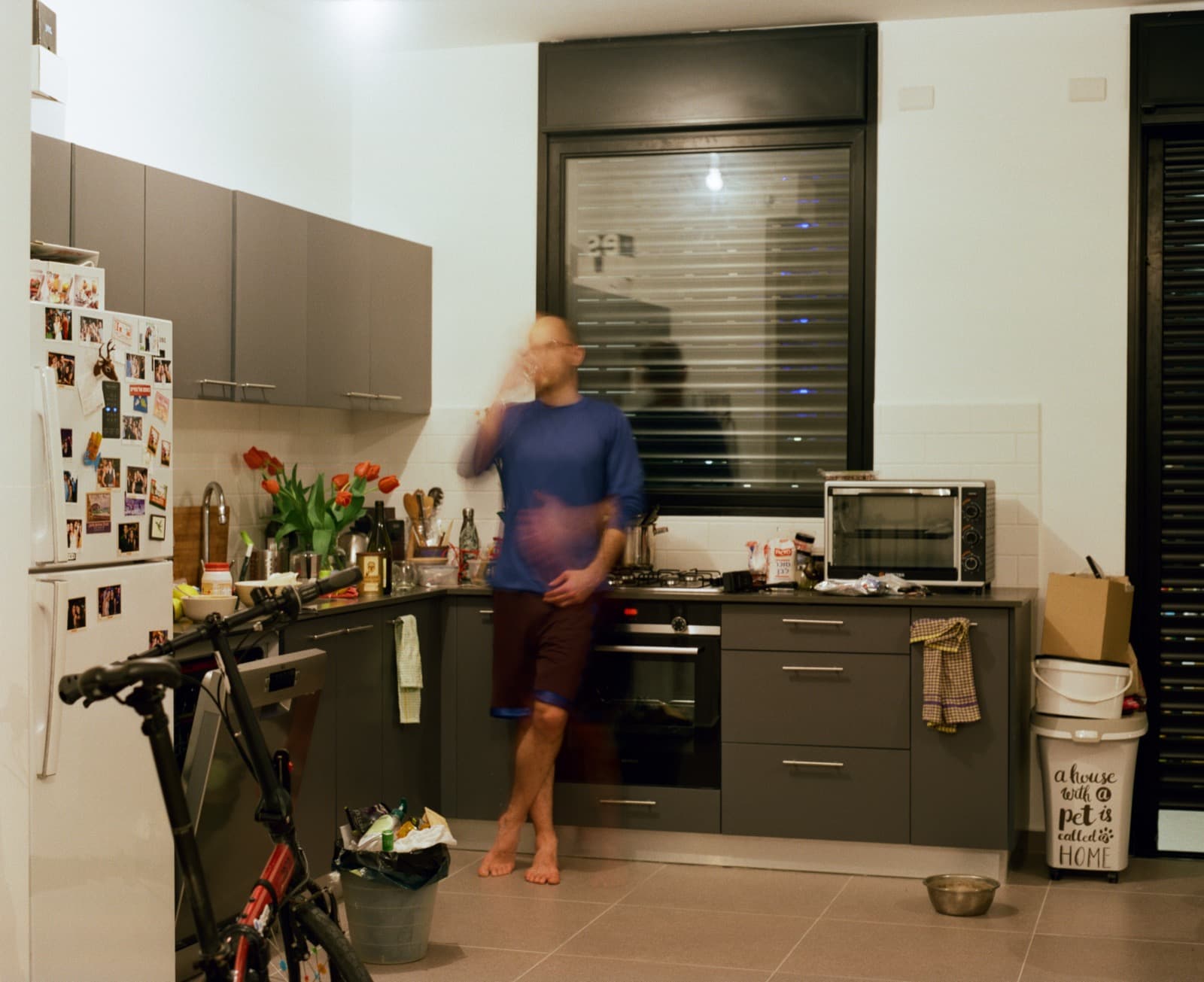
Work on the scooters sparked an interest in similar symbols for the temperament of life in Tel Aviv, and specifically the lives of the young high tech professionals living in it. I make my living working in one such high tech firm. The norms and mannerisms are all too familiar. This was the birth of the idea coded in the title. "Hope this finds you well" — the cliché, thoughtless introduction known to anyone who's misfortune it is to read emails for a living — is on the one hand jeering, but on the other signifies belonging to the very same class.